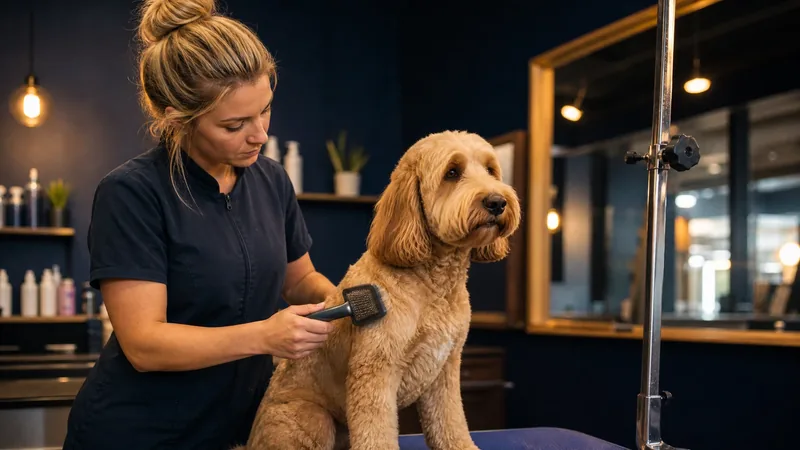
How to Start a Pet Grooming or Kennel Business in Connecticut: Department of Agriculture Licenses
How to Start a Pet Grooming or Kennel Business in Connecticut: Department of Agriculture Licenses
If you want to board dogs, run a grooming salon, or open a training facility in Connecticut, the animal license you need comes from the Connecticut Department of Agriculture, not the Secretary of the State. The state's kennel license rules sit under Connecticut General Statutes 22-344, and they apply on top of the business registration, tax and zoning steps every new owner has to handle. This guide walks through the order that works in practice, with the fees we can verify today and the points you need to confirm directly with the agency.
Disclaimer: This article is informational, not legal or tax advice. Licensing rules change, and your situation may involve issues this guide does not cover. Talk with a qualified attorney or CPA before you sign a lease, buy a building, or make a major investment.
What You Need Before You Start
Gather these items before you apply. Missing one of them is the most common reason applications stall.
- A specific site address. The license is tied to a physical facility, so you need the exact location where animals will be kept, groomed or trained.
- A zoning certification from the town. For an initial application, the town's zoning enforcement official must certify that the site conforms to local zoning. Start this conversation early, because the Department of Agriculture needs the certification for an initial application.
- A floor plan and a description of the facility. Show kennel runs, holding areas, grooming and bathing areas, washing and drainage, and how waste is handled.
- Your entity documents. If you form an LLC, you will need the filed Certificate of Organization from the Secretary of the State. If you form a corporation, you will need the Certificate of Incorporation.
- Your payment. Fees are listed in the cost table later in this article.
- A plan for sanitation, disease control and humane treatment. The Department of Agriculture inspects against its regulations on these subjects, so write down your cleaning schedule, vaccination and health records process, and how you will feed, water and exercise animals.
Step 1: Decide Which License You Actually Need
Connecticut does not issue a single general business license. Instead, the license depends on what you do with animals. Under CGS 22-344, the Department of Agriculture issues the following animal licenses:
- Commercial kennel: $400
- Pet shop: $400
- Grooming facility: $200
- Training facility: $200
Match these to your plan. A boarding business is generally the commercial kennel category. A salon that only grooms and bathes animals is the grooming facility category. A business that does both may need more than one license, and it is not settled whether a grooming operation needs a grooming license in addition to a kennel license. Ask the Department of Agriculture this question in writing before you pay.
There is one important exemption. A person who boards three or fewer dogs or cats in his or her own residence does not need a commercial kennel license. The exemption applies to boarding in your own residence. Above that number, or outside your own residence, confirm with the Department of Agriculture whether the license requirement applies. Local town rules may still limit home businesses, so check with your town even if the state exemption fits.
If you bring animals into Connecticut for sale or transfer, you may also have to register as an animal importer. That registration is separate from the licenses above and costs $200.
Step 2: Get Zoning Approval From Your Town
Connecticut has no county government, so your zoning approval comes from the town or city where the facility will sit. For a new facility, the town zoning enforcement official must certify that the site conforms to zoning before the Department of Agriculture will process an initial application. Ask the zoning office these questions:
- Is animal boarding, grooming or training allowed in my zone, and does it need a special permit or site plan approval?
- Are there limits on the number of animals, hours of operation, noise, outdoor runs or waste handling?
- Will the zoning enforcement official sign the certification form the Department of Agriculture requires, and how long does that take?
Do not sign a lease or buy a property until you have a clear answer. A landlord's assurance that the space is "fine for animals" is not a substitute for a written zoning answer.
Step 3: Form Your Business Entity With the Secretary of the State
The Secretary of the State's Business Services Division registers your business entity. This is a registration, not a license. It does not let you board or groom animals by itself. Most owners form an LLC, and the filing is a Certificate of Organization (Domestic Limited Liability Company), which costs $120.
Your LLC name must include "Limited Liability Company" or an abbreviation such as "LLC" or "L.L.C." It must also be distinguishable from names already on the record. You can check availability for free with the Business.CT.gov business records search at service.ct.gov/business/s/onlinebusinesssearch. If you need time to finish your paperwork, you can reserve a name for 120 days for a $60 fee.
Most filings submitted online through Business.CT.gov are accepted automatically. The state says expedited service, which costs $50 per transaction and is completed within 24 hours, is usually unnecessary. The Secretary of the State does not publish a standard turnaround time for ordinary filings, so plan for some delay.
Every LLC, corporation, limited partnership and limited liability partnership must appoint and keep a registered agent in Connecticut. The agent must be a Connecticut resident at least 18 years old or a business entity registered with the Secretary of the State. The agent's address must be a usual place of business in Connecticut that is open during normal business hours with an authorized person present. A post office box or commercial mailbox does not qualify. You can serve as your own agent if you meet these rules.
Official forms and fees are at business.ct.gov/business-services/business-forms-and-fees. The Secretary of the State's Business Services Division page is at portal.ct.gov/sots/business-services/bsd.
Step 4: Register a Trade Name if You Use One
If your animal business will operate under a name other than your legal entity name, such as "Harbor Paws Grooming" when your LLC is "Smith Holdings LLC," file a Trade Name Certificate. Trade name certificates are filed with the town clerk of the town where the business is primarily transacted, not with the Secretary of the State. The fee is $20, payable to the town clerk. Details are at business.ct.gov/knowledge-base/articles/trade-names.
Step 5: Prepare the Facility for Inspection
Before you apply, set up the facility as if the inspector is coming next week, because an inspection may happen after you apply. The Department of Agriculture's regulations cover sanitation, disease and humane treatment. Focus on these areas:
- Sanitation: Surfaces that animals touch should be cleanable and disinfectable. Set a written cleaning and disinfection schedule for runs, tables, tubs and holding areas, and keep a log.
- Waste and drainage: Show how waste is removed and where wash water drains. Expect questions about this in grooming shops, where water and hair go everywhere.
- Disease control: Keep vaccination and health records for every animal in your care, separate sick animals, and set a policy for intake of animals with signs of illness.
- Humane treatment: Provide adequate space, ventilation, temperature control, water, food and exercise. Show how you handle emergencies, after-hours care and staff training.
- Records: Keep a written list of the animals on site, their owners and their health history.
Inspectors look at what is actually on site, not what the application describes. A binder with a cleaning log on the counter does more for your inspection than a longer plan that the staff has not practiced.
Step 6: Apply to the Department of Agriculture
Submit your application to the Connecticut Department of Agriculture with the zoning certification, your entity documents, your facility description and the correct fee. The fee depends on the license category: $400 for a commercial kennel or pet shop, and $200 for a grooming facility or training facility. Find the current application form and submission method on the Department of Agriculture's website through the Connecticut state portal at portal.ct.gov, because the agency's own forms can change. Confirm the fee and method by phone or email before you send payment.
Ask the Department of Agriculture to confirm three things in writing: whether your planned services need one license or more than one, whether a grooming license is needed in addition to a kennel license, and whether an animal importer registration applies to you.
Step 7: Pass the Inspection and Receive Your License
The Department of Agriculture inspects the facility against its regulations. Expect the inspector to walk every area where animals are kept, check your records, and ask how you handle cleaning, illness and emergencies. If the inspector identifies problems, fix them and be ready to show the corrections. Do not open to the public until your license is issued.
Step 8: Show Your License Number in All Advertising
A commercial kennel that advertises its services must show its license number in the advertising. This applies to your website, business listings, printed materials and social media profiles that promote boarding. Add the number to your website footer and your listings before your first advertisement goes live.
Step 9: Renew on Schedule
Each license runs to the second December 31 after it is issued and must be renewed every two years. Read the expiration date printed on your license and calendar the renewal at least 60 days before it. A lapsed license can stop your operation, so treat renewal as a fixed business deadline.
Step 10: Register for Sales Tax If Applicable
A business that sells taxable goods or services in Connecticut must hold a Sales and Use Tax Permit from the Department of Revenue Services (DRS). The permit carries a $100 registration fee and must be displayed at each location. If you sell pet food, toys, collars or other taxable retail products, you will likely need one. Whether your grooming or boarding services are taxable is a question to confirm with DRS, which you can reach through portal.ct.gov/drs. The state sales tax rate is 6.35%.
Connecticut has no general state business license, but your town may require its own permits for signage, occupancy or health. Ask at the town hall during the zoning step so you do not learn about these requirements after you sign a lease.
Cost Summary
| Item | Agency | Cost |
|---|---|---|
| Commercial kennel license (CGS 22-344) | Department of Agriculture | $400 |
| Pet shop license (CGS 22-344) | Department of Agriculture | $400 |
| Grooming facility license (CGS 22-344) | Department of Agriculture | $200 |
| Training facility license (CGS 22-344) | Department of Agriculture | $200 |
| Animal importer registration | Department of Agriculture | $200 |
| Certificate of Organization (LLC) | Secretary of the State | $120 |
| Name reservation (120 days) | Secretary of the State | $60 |
| Annual Report (LLC) | Secretary of the State | $80 per year |
| Trade Name Certificate | Town clerk | $20 |
| Sales and Use Tax Permit (if applicable) | Department of Revenue Services | $100 |
These figures are the ones verified for this guide. Confirm all current fees with the agency that collects them before you budget, and ask about any fee not shown here, including local permit fees and the cost of facility improvements.
What Results to Expect
A well-prepared application tends to move through the process more smoothly, and a clean, documented facility may make inspections easier to pass. Those are reasonable expectations, not guarantees. Timing depends on the town's zoning review, the Department of Agriculture's workload and whether the inspector finds issues that need correction. Plan your opening date with buffer time, and avoid taking deposits or booking clients until you hold a license that covers your services.
Common Mistakes to Avoid
- Signing a lease before zoning is confirmed. A space that looks ideal may not allow animal boarding or grooming in that zone.
- Assuming the home exemption covers you. The exemption is limited to boarding three or fewer dogs or cats in your own residence. More animals or a separate building changes the answer.
- Treating the Secretary of the State filing as a license. An LLC registration does not authorize you to keep animals.
- Advertising before you are licensed. Once you advertise a commercial kennel, the license number must appear in that advertising.
- Assuming one license covers everything. Ask the Department of Agriculture whether grooming needs its own license alongside a kennel license.
- Letting the renewal date pass. Calendar it early and confirm the expiration date on your license.
- Using a mailbox as your registered agent address. Post office boxes and commercial mailboxes do not qualify.
Tips for a Faster Launch
- Call the town zoning office before you do anything else, and ask for the certification form in advance.
- Put every answer from the Department of Agriculture in writing, including email confirmations of fees and license categories.
- Build your cleaning log and health records system before the first animal arrives. Inspectors ask to see them, and retrofitting records is slow.
- Choose a registered agent service or your own qualifying Connecticut address with care, since the agent must be available during business hours.
- Ask your insurance provider what coverage a boarding or grooming business needs, and confirm the requirements with your attorney or CPA.
When to Talk to a Professional
Consult a qualified attorney before you form an entity if you have partners, plan to own the building, or want to protect personal assets. Talk with a CPA about whether an LLC or corporation fits your tax position, and whether you should consider the Pass-Through Entity Tax or another election. If you plan to import animals, sell across state lines or expand to multiple locations, get professional advice before you commit to the structure.
Sources and Official Resources
- Connecticut Secretary of the State, Business Services Division: portal.ct.gov/sots/business-services/bsd
- Business.CT.gov forms and fees: business.ct.gov/business-services/business-forms-and-fees
- Business records search: service.ct.gov/business/s/onlinebusinesssearch
- Trade name information: business.ct.gov/knowledge-base/articles/trade-names
- Connecticut Department of Revenue Services: portal.ct.gov/drs
- Connecticut Department of Agriculture: find the current animal license forms through portal.ct.gov
Reminder: This article is informational only and is not legal or tax advice. Confirm every fee, form and requirement with the agency that administers it before you act, and consult a qualified attorney or CPA for your specific situation.